
Fortune Hunter: Golden Saga
StarFortuneStrategy
4.7153.00 Reviews
- Version
- 1.1.1912713
- Installs
- 1.00M
- Age Rating
- Teen
Screenshots
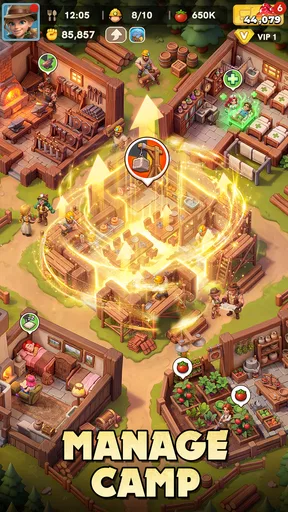
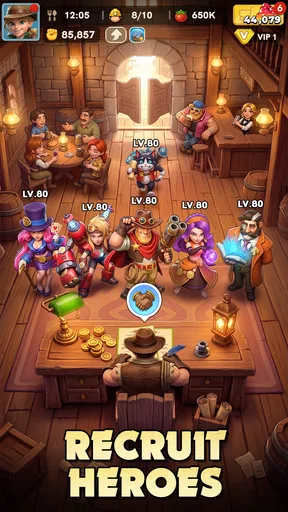
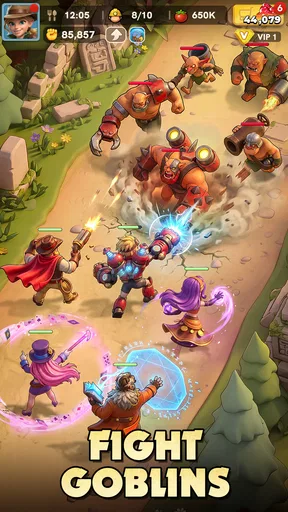
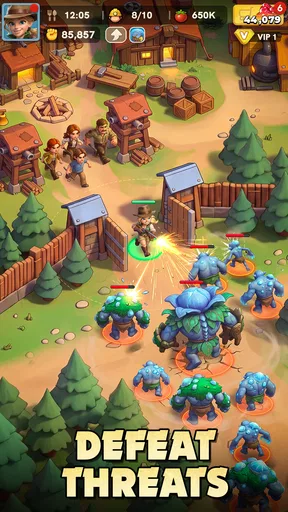
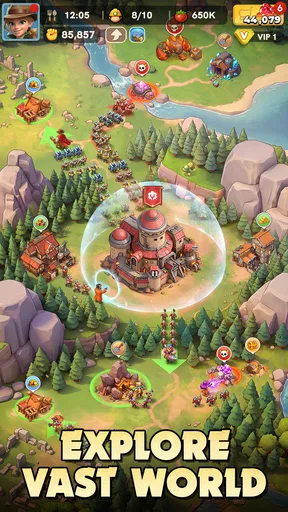
Our Review of Fortune Hunter: Golden Saga
 Analysis by Appyee
Fortune Hunter: Golden Saga is a strategy game from StarFortune that caught my attention because it presents its treasure-hunting idea through a kingdom-building frame rather than as a simple collection of short puzzles. I spent time looking at how it fits into an ordinary mobile routine: starting a session, deciding what deserves attention first, recovering when progress feels interrupted, and judging whether the free download is comfortable for the way you like to play.
The basic appeal is easy to understand. You are invited to uncover valuable discoveries and develop a kingdom around them, so the game combines exploration with longer-term planning. That mix can be satisfying when I have a few minutes to check progress and then enough patience to think about my next move. It is less convincing if I want a completely self-contained game that gives me immediate action without asking me to manage several priorities.
What playing Fortune Hunter: Golden Saga feels like
The strongest part of the concept is the contrast between discovery and administration. Finding something valuable creates the sense of a reward, while the kingdom theme gives that reward a purpose beyond simply adding another item to a collection. I found that this makes the game easier to return to than a strategy title built only around menus, because the treasure-hunting premise gives my decisions a clear identity.
At the same time, this is not a game I would recommend to someone who dislikes gradual progress. The strategy category usually involves choices that matter over time, and this title’s gold-and-kingdom framing points in that direction. The enjoyable question is not only “what can I collect now?” but also “what should I prioritize so the next session feels worthwhile?” That slower rhythm is a strength for patient players and a source of friction for anyone expecting constant dramatic action.
One practical way I used it was as a short evening check-in. I would open the game, review what had changed since the previous session, decide which objective seemed most useful, and stop before turning the session into aimless tapping. That approach helped me keep the strategy element visible. Without a small plan, it is easy for a treasure-themed game to become a sequence of routine actions rather than a game of decisions.
Where new players are most likely to get stuck
The first obstacle is usually not difficulty in the traditional sense. It is understanding what deserves attention first. A new player can be tempted to chase every visible reward, but that may not always be the best use of a session. I recommend pausing after the opening guidance and identifying the action that improves your immediate position, rather than treating every available task as equally urgent.
Another common sticking point is the difference between progress and activity. A screen can offer several things to tap while only one of them meaningfully advances the kingdom. I found it useful to ask myself whether an action unlocks a better future choice, supports the next objective, or merely produces a small immediate gain. That simple filter prevents the early game from feeling busier than it really is.
Players may also wonder whether they should spend money as soon as an in-game offer appears. My advice is to wait. The game is free to download, but it includes optional purchases ranging from $0.99 to $99.99 per item. I would first learn the normal rhythm of progress and decide whether the game remains enjoyable without spending. Buying before understanding the loop can solve a short-term delay while hiding whether the underlying strategy actually suits you.
The Teen content rating is another useful expectation setter. I would not treat Fortune Hunter: Golden Saga as a game aimed at very young children, especially if a child may interact with purchase prompts or become frustrated by slower progress. For a teenager or adult who enjoys kingdom planning and treasure themes, the rating is less of a concern than the player’s tolerance for repetition and optional spending.
Setup checks before blaming the game
The game requires Android 6.0 or later, so the first check is straightforward: confirm that the device meets that minimum before spending time troubleshooting. A compatible operating system does not guarantee a perfect experience on every phone, but an older unsupported system can create problems that no in-game setting will fix.
I also recommend beginning with a stable connection and enough free storage for the installation and any additional game content it may need to handle. I am not treating that as a special requirement unique to this title; it is simply sensible preparation for a mobile strategy game that may need to load account or progress information. If the first launch stalls, checking the connection and restarting the device is a better first move than repeatedly tapping the same screen.
After installing, give the opening session a little uninterrupted time. Switching rapidly between apps during initial setup can make any mobile game feel unreliable, particularly when the device is managing limited memory. Closing demanding background apps, opening the game again, and allowing the first screens to finish is a safe, general check that does not alter progress or require risky changes.
Keep the current version in mind when investigating a problem. The version shown for this release is 1.1.1912713. If the game behaves differently after an update, I would first close and reopen it, then check whether the app store offers another update. I would avoid deleting the game immediately, because reinstalling can create unnecessary uncertainty around locally stored progress.
One setup habit made a noticeable difference to my own use: I decided in advance whether I wanted a quick check-in or a longer planning session. That sounds minor, but it prevents the game from feeling broken simply because I opened it while rushing. A strategy title can appear slow when the real issue is that the player has only a few seconds available.
Recovering a disrupted workflow safely
When progress seems to stop, I work through the least disruptive fixes first. I close the app normally, wait briefly, and launch it again. If the issue remains, I check the connection, make sure the device is not overloaded with background activity, and restart the phone. These steps are boring but useful because they separate a temporary launch problem from a deeper account or application issue.
If a screen does not respond, I avoid repeatedly pressing purchase or reward controls. Repeated taps can make it harder to tell what actually happened, especially when a connection is slow. I wait for the interface to settle, then reopen the relevant screen. This is particularly important in a free-to-play strategy game where a player may be reviewing progression and optional purchases in the same session.
When the game opens but my expected progress is not visible, I first check whether I am looking at the correct part of the kingdom or the correct objective. In a game built around several layers of activity, “nothing happened” can sometimes mean that the result is shown somewhere other than where I expected. I would not immediately clear app storage or reinstall, because those actions can complicate recovery.
For a purchase that appears delayed, patience is safer than trying to buy the same item again. I would record the time, close and reopen the game, and check the relevant progression screen before taking another action. If the issue persists, the sensible next step is the platform’s purchase-support route or the developer’s official support channel, with the transaction details kept available. I would not use unofficial tools or modified versions to force a result.
The same cautious approach applies to lost or missing progress. Reinstalling may appear attractive, but it should be a later step rather than the first one. Before doing anything destructive, I would confirm that the device is online, restart the game, and look carefully through the available account or progress screens. If recovery still fails, support is more useful when the report explains exactly what was visible before the problem and what changed afterward.
When the game is not the real cause
Not every poor session is caused by Fortune Hunter: Golden Saga. A busy phone, unstable Wi-Fi, aggressive battery management, low storage, or an outdated operating system can all make a game appear less responsive. I try the same title on a calmer device state before deciding that the application itself is at fault. That comparison is especially helpful when the problem appears only occasionally.
Battery-saving behavior can also change how a mobile game feels between sessions. If the game seems to resume inconsistently, I would check the phone’s general background restrictions rather than changing random settings inside the app. I would make only ordinary, reversible adjustments and test one change at a time. That way, I can identify whether the issue is connected to the phone rather than losing track of what fixed it.
Storage deserves attention even when the game has already installed. A nearly full device can cause unrelated apps to slow down, updates to fail, or temporary files to be handled poorly. Freeing a reasonable amount of space and restarting the device is a safer experiment than repeatedly reinstalling the game. If other applications show the same symptoms, that is a strong sign that the phone environment deserves investigation first.
There is also a human cause: unrealistic session expectations. If I open the game expecting a fast arcade experience, the kingdom and treasure loop can feel too deliberate. If I open it expecting a strategy game that rewards attention over several visits, the same pacing makes more sense. Choosing the right moment to play is part of getting value from it; this is not the best pick for a player who wants every minute to deliver immediate spectacle.
How it compares with familiar strategy alternatives
Compared with a pure puzzle game, Fortune Hunter: Golden Saga asks for more patience and broader planning. A puzzle title is usually easier to understand in a single sitting, while this game’s appeal comes from connecting discoveries with the growth of a larger kingdom. I would choose the puzzle alternative for quick, self-contained challenges and choose this one when I want a continuing theme and a reason to return.
Compared with a combat-focused strategy game, the treasure-and-gold identity feels more approachable. Players who dislike constant battles may prefer the idea of building around discoveries, while players who need tactical combat may find the experience too restrained. I would not install it expecting the same intensity as a war simulator. Its value is in the planning loop suggested by the kingdom setting, not in pretending to be an action game.
It also differs from a minimalist idle game. Idle games can be satisfying when I want progress with almost no decisions, but Fortune Hunter: Golden Saga makes more sense when I am willing to choose priorities and pay attention to how the kingdom develops. If I only want to open an app, collect everything, and leave, a simpler idle alternative may be a better match. If I enjoy deciding what to do next, this game has a clearer reason to stay involved.
The free entry point helps with testing that fit. I can try the basic rhythm without paying upfront, then decide whether the experience earns more time. Still, the purchase range means I would treat spending as a personal boundary rather than as a normal part of learning the game. The best comparison is not whether another strategy title has more content, but whether it offers a progression pace and decision load that match my habits.
Small habits that make the strategy clearer
My first useful habit was to choose one main objective per session. That does not mean ignoring everything else; it means giving the session a center. If I try to advance every available area at once, the game becomes harder to evaluate and my resources or attention feel scattered. A single priority makes it easier to notice whether the kingdom is genuinely improving.
My second habit was to separate exploration from maintenance. I would first look for the most interesting opportunity, then handle routine kingdom actions afterward. Doing maintenance first can consume the whole session and leave the treasure-hunting side feeling secondary. Reversing the order keeps the game’s distinctive theme at the front of the experience.
Third, I avoided judging a decision only by its immediate reward. A smaller gain may be worthwhile if it makes the next choice easier or supports the objective I selected. This is the kind of trade-off that gives the title more depth than its short store summary suggests. It also helps explain why impatient tapping can feel unrewarding: the game works better when I think one step beyond the current screen.
Finally, I set a spending rule before I became invested. Since individual purchases can reach $99.99, I would never make a decision while frustrated by a delay. I would close the offer, return later, and ask whether the purchase improves the whole experience or only removes one moment of inconvenience. That rule is useful in any free-to-play game, but it matters here because the kingdom-building loop encourages long-term attachment.
Who should play and who should skip it
I think Fortune Hunter: Golden Saga is a good fit for players who like treasure themes, gradual kingdom development, and strategy that can be visited in short sessions. It suits someone who enjoys making a plan, checking results later, and accepting that not every reward arrives immediately. The game is also easy to sample because it is free, which lowers the risk of discovering that its pace is not for you.
I would be more cautious about recommending it to players who want a complete premium experience with no optional purchase pressure. I would also steer away from it if your ideal strategy game is built around deep combat tactics, rapid competitive matches, or a large amount of immediate control. The Teen rating and free-to-play structure may make it a poor choice for a young child using a shared device without supervision.
StarFortune’s game is most convincing when I treat it as a steady routine rather than a race. The treasure premise gives the routine personality, while the kingdom layer gives my choices a longer consequence. But that same structure means the game cannot compensate for a player who dislikes repetition, waiting, or deciding where limited attention should go.
At the time of review, it carries a 4.7 average from around 19K ratings and has passed one million installs, which suggests that its central idea has reached a substantial audience. I would read those figures as evidence of broad interest, not as a guarantee that every device or playing style will suit it. The current version, 1.1.1912713, is another reason to keep ordinary update and restart checks in mind when diagnosing a problem.
My practical verdict
Fortune Hunter: Golden Saga is worth trying if you want a patient strategy game where discovery feeds the feeling of building something larger. I like that its identity is more specific than a generic kingdom simulator: the treasure-hunting angle gives each return visit a clear mood, and the gold theme makes the long-term loop easy to understand. My recommendation is to begin slowly, learn the normal progression, and avoid spending until you know whether the rhythm genuinely works for you.
It is not a universal recommendation. The game asks for attention, patience, and some tolerance for free-to-play friction. If a launch problem appears, I would start with the device, connection, operating system, storage, and a clean restart before assuming the game is responsible. If progress or a purchase remains unresolved, I would use official support rather than risky workarounds.
For me, the deciding factor is whether I want a game that rewards returning with a plan. When the answer is yes, this is a pleasant choice for a few focused minutes at a time. When I want instant action or a finished, interruption-proof experience, I would choose a different strategy alternative. That honest distinction is what makes the free download useful: try the loop, protect your spending limit, and keep it only if the kingdom-and-treasure routine feels like something you will actually enjoy.
Verdict
Strengths of Fortune Hunter: Golden Saga
- Simple controls make it easy to pick up and play.
- Short levels work well for quick gaming sessions.
- Collectible rewards add a satisfying sense of progress.
- Bright visuals give the adventure a cheerful, accessible style.
- Offline play is convenient when you have no internet access.
Limitations of Fortune Hunter: Golden Saga
- Difficulty can increase sharply in later stages.
- Repeated obstacles may make some levels feel predictable.
- Optional purchases can speed up progress or unlock extras.
- The interface may feel crowded on smaller phone screens.
- Replay value depends heavily on collecting every item.
Other Releases by StarFortune
View All
Myths of Moonrise
Role Playing4.2

CatDog World: After Humans
Strategy4.4
Similar Picks in This Category
View All
Clash of Clans
Supercell4.5

Plants vs. Zombies™
ELECTRONIC ARTS3.7

Lords Mobile: Kingdom Wars
IGG.COM4.5

Clash Royale
Supercell4.4

State.io — Conquer the World
CASUAL AZUR GAMES4.1

Car Driving School : Car Games
Spark Game Studios3.9
Frequently Asked Questions
What is Fortune Hunter: Golden Saga?
Fortune Hunter: Golden Saga is an adventure-focused mobile game built around exploration, treasure hunting, and progression through challenging stages. Players typically guide a fortune-seeking character through themed environments, collect valuable rewards, overcome obstacles, and improve their abilities. The game is aimed at users who enjoy casual action, light puzzle elements, and a fantasy adventure atmosphere in short, accessible play sessions.
Is Fortune Hunter: Golden Saga free to download and play?
The game can generally be downloaded without an upfront purchase, allowing players to try its core gameplay at no initial cost. However, free-to-play titles may include optional in-app purchases for items such as currency, boosts, cosmetic content, or faster progression. Before downloading, it is worth checking the store listing for the current pricing details and reviewing device purchase settings, especially if children may use the device.
Does Fortune Hunter: Golden Saga require an internet connection?
Whether the game works fully offline can depend on the version and the feature being used. Basic stages may be available without a constant connection, while advertisements, cloud saving, events, updates, or purchase verification can require internet access. If offline play is important to you, test the game after installation with Wi-Fi and mobile data disabled, and remember that some online features may not function in that mode.
Is Fortune Hunter: Golden Saga suitable for children?
Fortune Hunter: Golden Saga may be suitable for younger players if they enjoy simple adventure gameplay, but parents should check the official age rating before installation. The most important considerations are advertising, optional purchases, and any online or social features included in the current release. Reviewing privacy permissions and enabling parental controls can help create a safer experience, particularly when the game is played on a shared family device.
What devices are compatible with Fortune Hunter: Golden Saga?
Compatibility depends on the operating system, device model, and the minimum software version required by the developer. Before downloading, check the official Google Play or App Store page for supported Android or iOS versions, storage requirements, and recent update information. Older phones may install the game but experience slower loading, reduced graphics quality, overheating, or occasional performance issues if the hardware does not meet the recommended requirements.
Play our best games!


